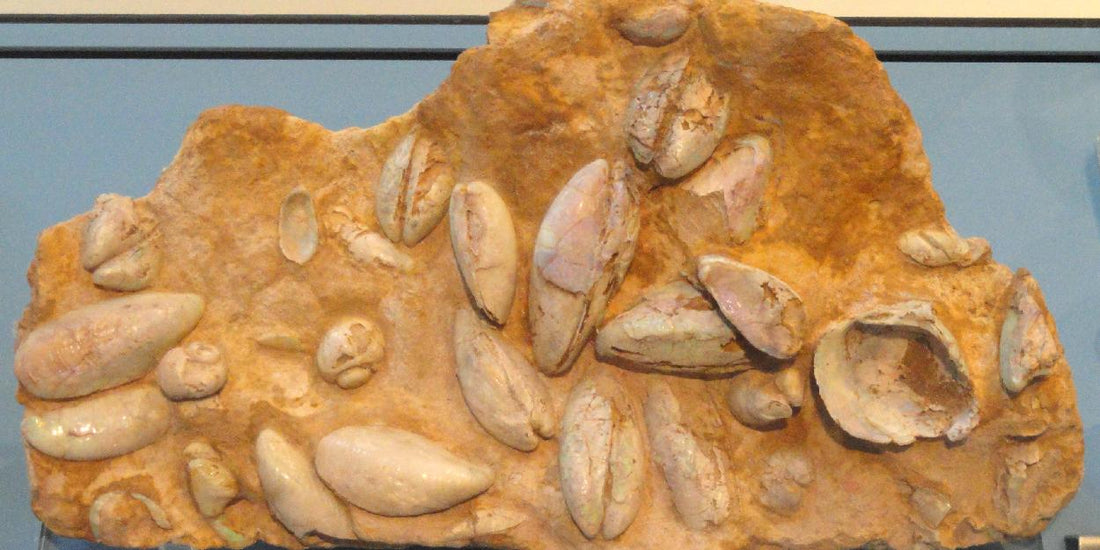
Yabby Buttons: A Fusion of Gemology and Paleontology
Yabby buttons, opalised gastroliths from Lightning Ridge, captivate collectors with their vibrant appearance and scientific intrigue, offering unique insights into prehistoric life.
Unique opalised fossils from Lightning RidgeCultural and scientific significance in AustraliaHighly sought after by collectors and jewelersRarity due to specific geological conditionsShowcase natural beauty and prehistoric insights
The yabby button is an intriguing opalised fossil of a crayfish gastrolith, primarily found in Lightning Ridge, Australia. These small, gem-like fossils are not only prized for their beauty but also for their scientific and cultural significance. Yabby buttons represent a unique intersection of paleontology and gemology, making them highly sought after by collectors, jewelers, and researchers alike.
Introduction
The yabby button is an intriguing opalised fossil of a crayfish gastrolith, primarily found in Lightning Ridge, Australia. These fossils are not only visually striking but also scientifically significant, representing a unique intersection of paleontology and gemology. This section will set the stage for understanding what yabby buttons are, their geological and cultural importance, and their role in both the fossil and opal markets.
What is a Yabby Button?
Definition and Characteristics
A yabby button is the opalised fossil of a gastrolith—a small, calcified structure found in the head of freshwater crayfish (commonly known as yabbies). Gastroliths are used by crayfish to store calcium, which is essential for hardening their new exoskeleton after moulting. When these gastroliths are fossilised and replaced by opal, they become known as yabby buttons.
- Size: Fossil yabby buttons are typically around 10–12 mm in diameter, though some can be as small as a few millimeters.
- Appearance: Yabby buttons are often round or oval and can display a range of opal colours, including orange, red, and crystal colour bars. The opalisation process can result in both precious opal (with play-of-colour) and potch opal (without play-of-colour).
- Colour: The opal in yabby buttons can exhibit vibrant hues, making them highly desirable for collectors and jewelers.
Geological Significance
The formation of opalised fossils, including yabby buttons, requires specific geological conditions:
- Silica-Rich Sediments: The sediments in Lightning Ridge are rich in silica, derived from ancient volcanic activity. This silica-rich environment is crucial for the opalisation process.
- Rapid Burial: For a bone or gastrolith to become fossilised, it must be buried quickly, before it decomposes. This rapid burial in silica-rich sediments allows the organic material to be replaced by opal.
- Two Processes of Opalisation:
- Internal Details Preserved: If silica seeps into the organic material before it decomposes, the internal structures can be preserved, resulting in a "see-through" fossil.
- External Cast: If the organic material decomposes first, the silica can fill the cavity, creating an external cast of the original object.
Lightning Ridge is unique in that the fossilising mineral is opal (silica dioxide), which is relatively rare compared to other fossilising minerals like limestone, agate, or pyrite. This makes Lightning Ridge one of the few places in the world where opalised fossils, including yabby buttons, are found.
Historical Context
- Discovery and Collection: Yabby buttons have been collected by miners and fossil enthusiasts in Lightning Ridge for decades. The discovery of these fossils has contributed to the region's reputation as a world-renowned source of opalised fossils.
- Cultural Significance: Yabby buttons are highly valued by local communities and collectors. They are often referred to as "fish-eyes" by miners and are considered a unique product of Lightning Ridge. The Australian Opal Centre in Lightning Ridge houses the world's largest collection of opalised yabby buttons, further highlighting their cultural and scientific importance.
The Market for Yabby Buttons
Rarity and Value
- Rarity: Yabby buttons are considered rare due to the specific conditions required for opalisation and the limited geographical distribution of opalised fossils. Only a tiny percentage of opal is precious opal with play-of-colour, making high-quality yabby buttons even more valuable.
- Value: The market value of yabby buttons is influenced by several factors:
- Size and Quality: Larger, more colourful yabby buttons with precious opal are more valuable.
- Provenance: Fossils from Lightning Ridge are particularly sought after due to the region's unique geological history.
- Scientific and Aesthetic Appeal: Yabby buttons are prized for both their scientific significance and their aesthetic beauty.
Collecting Yabby Buttons
- Sourcing: Collectors can source yabby buttons from various platforms, including:
- Auction Sites: Websites like Opal Auctions and specialized fossil auction sites often feature yabby buttons.
- Museums and Collections: The Australian Opal Centre and other museums may offer yabby buttons for sale or display.
- Local Miners and Dealers: Many collectors purchase yabby buttons directly from miners and dealers in Lightning Ridge.
Uses of Yabby Buttons
Jewelry and Craftsmanship
- Jewelry: Yabby buttons are frequently used in jewelry, particularly in pendants, earrings, and rings. Their small size and vibrant colours make them ideal for intricate designs.
- Craftsmanship: Artisans and jewelers often highlight the unique characteristics of yabby buttons in their creations, creating one-of-a-kind pieces that showcase the natural beauty of these fossils.
Educational and Scientific Importance
- Paleontological Studies: Yabby buttons provide valuable insights into the ancient ecosystems of Lightning Ridge. They help scientists understand the evolution and behavior of freshwater crayfish and the environmental conditions of the region millions of years ago.
- Collections and Exhibitions: Museums and educational institutions, such as the Australian Opal Centre, feature yabby buttons in their collections and exhibitions. These displays help educate the public about the geological and biological significance of opalised fossils.
Conclusion
The yabby button is a unique and fascinating opalised fossil that represents the intersection of paleontology and gemology. Found primarily in Lightning Ridge, Australia, yabby buttons are valued for their rarity, beauty, and scientific importance. Whether used in jewelry, collected by enthusiasts, or studied by scientists, yabby buttons continue to captivate and inspire, reinforcing their significance within the opal and fossil market context.