The term machine names refers to identifiers assigned to various types of machines, whether they are IT devices, industrial equipment, or fictional robots. These names serve as a way to organize, identify, and communicate about machines efficiently. In this post, we will explore different types of machine names and their significance in IT, mechanical, and creative fields.
Introduction
Machine names vary significantly across IT, mechanical, and fictional contexts, each with distinct purposes and conventions.
Machine Names in IT
The Importance of Naming Conventions
In IT environments, naming conventions are essential for clarity, consistency, and efficient management. A well-structured naming convention helps in:
- Clarity and Consistency: Ensures everyone understands what a machine is used for and where it is located.
- Efficient Management: Simplifies the process of identifying, monitoring, and managing devices.
- Troubleshooting: Speeds up troubleshooting and reduces downtime by making devices easier to locate.
- Security: Helps in implementing security policies effectively.
Examples of IT Machine Names
IT machine names often follow standardized formats that include location codes, user initials, and OS indicators. Here are some common formats and examples:
- Location-Based Prefix: SS-CCC (State-City), e.g., NY-SYR-DMAYNE for a computer in Syracuse, NY.
- Device Type and Role: SVR for servers, SW for switches, RT for routers.
- User Initials and Serial Number: WPL5cg4342cj5 for a workstation, combining user initials with numeric identifiers.
- City and Function: STLVM01 for a virtual host server in St. Louis, STLDC01 for a domain controller in St. Louis.
Best Practices for Naming Machines
For effective naming in IT, consider the following best practices:
- Be Descriptive: Each name should provide a clear, brief description of the device's purpose or role.
- Include Relevant Information: Essential details like device type, location, and purpose should be incorporated.
- Use Standardized Abbreviations: Creating and adhering to a set of standard abbreviations is crucial.
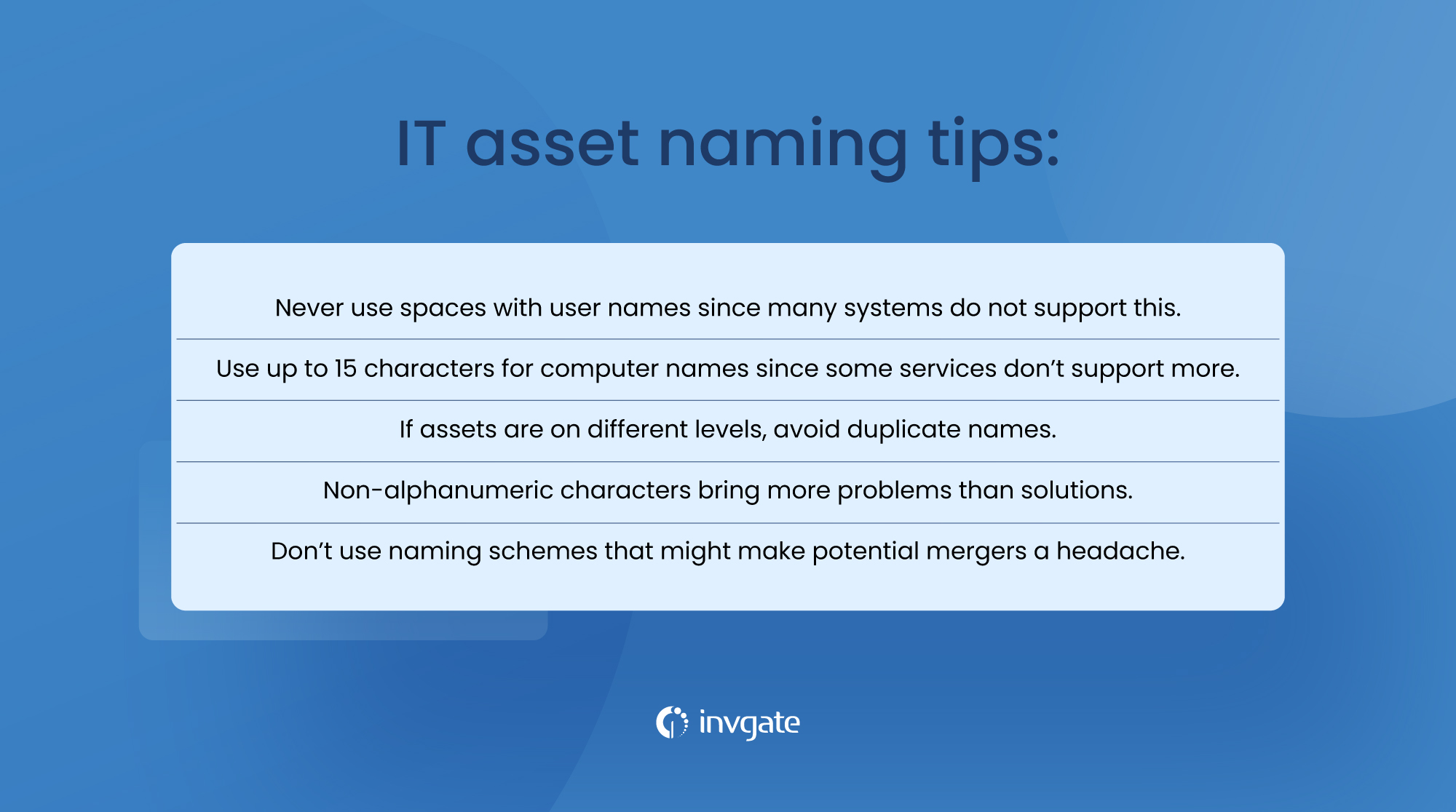
- Avoid Special Characters: Use alphanumeric characters and hyphens to prevent compatibility issues across systems.
- Plan for Scalability: Ensure the naming convention can accommodate future growth without major adjustments.
Mechanical and Industrial Machine Names
Common Types of Machines
Mechanical machines are essential in various industries, including construction, manufacturing, and logistics. Some common types include:
- Excavators: Used for digging and moving earth.
- Bulldozers: Used for pushing large quantities of soil, sand, or rubble.
- Forklifts: Utilized for lifting and moving materials in warehouses and factories.
Categorization by Functionality
Machines are often categorized by their functionality, which helps in organizing and managing them effectively:
- Construction Machines: Excavators, bulldozers, cranes.
- Manufacturing Machines: CNC machines, lathes, milling machines.
- Logistics Machines: Forklifts, pallet jacks, conveyor belts.
Importance of These Names in Industry and Operations
Clear and standardized machine names are crucial in industry and operations for:
- Efficient Communication: Ensuring that everyone understands which machine is being referred to.
- Maintenance and Repair: Helping in tracking maintenance schedules and repair history.
- Safety: Reducing the risk of accidents by ensuring that the right machine is used for the right task.
Fictional and Creative Machine Names
Naming Robots in Fiction
Creative names for robots and other machines play a significant role in storytelling. They can convey personality, function, or origin. Some famous examples include:
- R2-D2 and C-3PO from Star Wars: These names suggest a mix of functionality and personality.
- Wall-E from Wall-E: The name is simple and memorable, reflecting the robot's role as a waste disposal unit.
- Optimus Prime from Transformers: The name conveys leadership and strength.
Trends in Robot Name Creation
Popular naming conventions for fictional machines often include:
- Descriptive Names: Reflecting the robot's function or appearance, such as "Iron Man" or "RoboCop."
- Alphanumeric Codes: Combining letters and numbers, such as "R2-D2" or "C-3PO."
- Personality-Driven Names: Suggesting a personality or character, such as "Wall-E" or "Optimus Prime."
Inspiration for Creating Unique Robot Names
When creating unique robot names, consider the following:
- Function: What does the robot do?
- Appearance: What does the robot look like?
- Personality: What kind of personality does the robot have?
- Origin: Where does the robot come from?
Conclusion
Machine names are a crucial aspect of organizing and communicating about machines in IT, mechanical, and creative fields. Whether it's a standardized format for IT devices, a descriptive name for a construction machine, or a creative name for a fictional robot, the right name can make a significant difference in clarity, efficiency, and engagement.
FAQ
What is a machine name?
A machine name is an identifier assigned to a device, which helps in organizing and managing it within various contexts, such as IT environments or industrial settings.
How do naming conventions work?
Naming conventions provide standardized formats that help in easily identifying and categorizing machines based on their type, function, and location.
Is naming important in IT?
Yes, effective naming is critical in IT for clarity, efficient management, and troubleshooting, helping to reduce downtime and improve communication.
What are common types of industrial machines?
Common industrial machines include excavators, bulldozers, and forklifts, each serving specific purposes in construction and logistics.
How do machine names enhance storytelling?
Creative machine names in fiction can add depth to characters, making robots more relatable and memorable to audiences while conveying their roles and personalities.