Hoki in Australian Cuisine
Discover how hoki shapes Australia's culinary scene with its rich flavor and nutritional benefits.
- Includes popular recipes
- Nutritional information
- Culinary tips
- Expert chef insights
This article delves into the role of hoki in both the seafood industry and the sporting world of ice hockey in Australia.
The term Hoki Australia refers primarily to the blue grenadier fish (*Macruronus novaezelandiae*), significant in the Australian seafood industry, and also connects to the cultural context of ice hockey in Australia. While hoki is essential for culinary uses, the term hockey—often referred to as “hoki” in colloquial settings—represents a growing sports culture in the country. This article will delve into both aspects of Hoki Australia, highlighting its commercial importance in the seafood industry and the evolution of ice hockey through the Australian Ice Hockey League (AIHL).
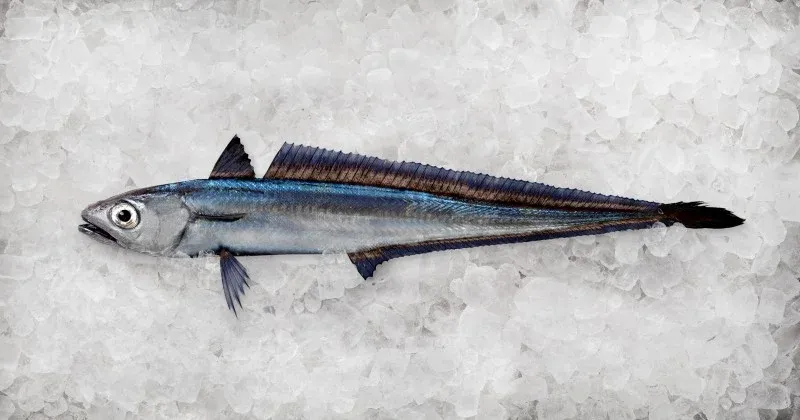
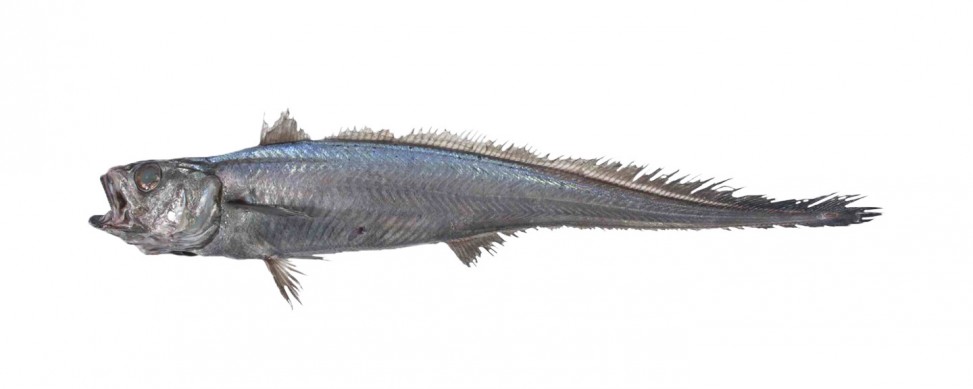
Hoki, scientifically designated as *Macruronus novaezelandiae*, is a deep-sea fish recognized for its elongated silvery body and distinctive bluish-green dorsal surface. Typically found at depths ranging from 200 to 1,000 meters, hoki is prevalent in cold waters and is mainly harvested in the Southern Ocean and New Zealand’s coasts.
Hoki plays a vital role in the fishing industry, contributing significantly to both Australian and New Zealand economies. Major fishing locations for hoki include the Bass Strait and the waters off Tasmania and Victoria. The hoki fishery is essential, with Australia and New Zealand collectively exporting over 110,000 tonnes annually to markets including the USA, Japan, and the EU.
Hoki is widely incorporated in various Australian dishes such as baked, grilled, or fried, frequently featured in fish & chips. It is also a popular ingredient in fast food outlets, including major franchises like McDonald's and Denny's. The fish is known for its rich source of protein and omega-3 fatty acids, making it a nutritious choice for consumers.
Hoki is not only vital in local markets but also a significant player in international seafood exports.
Markets in the USA, EU, and Japan heavily rely on imports of hoki from Australia and New Zealand.
Ice hockey in Australia is governed by Ice Hockey Australia (IHA), which oversees development at all levels. The Australian Ice Hockey League (AIHL), formed in 2000 after the collapse of the previous national league, features teams from major cities such as Sydney, Melbourne, and Brisbane.
In recent years, ice hockey has gained popularity, particularly among youth and community programs. The AIHL has expanded, with larger crowds attending games and increased engagement from fans. The nickname “hoki” has fostered a sense of community identity among fans and players.
Australia boasts several quality hockey facilities that support player development and community events. Key arenas include:
The following are some well-known teams competing in the AIHL:
The hoki fishery in Australia follows strict management practices aimed at ensuring sustainability. Both Australia and New Zealand implement regulations that include catch limits, monitoring of stock levels, and maintaining healthy marine ecosystems.
Despite effective management, challenges remain regarding bycatch and damage to sea floors due to fishing techniques. Various initiatives have been introduced to combat these issues, such as implementing marine reserves and revising gear types used in fishing to minimize environmental impact.
Ensuring the long-term viability of hoki fisheries is vital for sustaining the fishing industry and protecting marine biodiversity.
The term Hoki Australia conveys significant implications in both the seafood and ice hockey contexts. As a critical fish species, hoki supports a robust seafood industry and represents an economically and nutritionally important resource. In the domain of sports, ice hockey, governed by the AIHL, continues to grow socially and culturally across Australian communities. Sustainable practices are crucial for the continued success of both the fishery and the sport, ensuring a prosperous future for hoki Australia.
Key partnerships and commitments from renowned organizations propel hoki's growth in Australia and globally.


Discover how hoki shapes Australia's culinary scene with its rich flavor and nutritional benefits.
Explore the evolution of ice hockey in Australia and its cultural significance.
A deep dive into new measures Australia is taking to ensure hoki fisheries remain sustainable.
The latest season of the Australian Ice Hockey League has seen unprecedented fan turnout and support.
Understanding hoki's critical place in marine ecosystems and efforts to preserve its habitat.