The Visual World of Emus
Explore the sensory perceptions of emus and how their eyesight plays a critical role in their daily life.
- Behavioral insights
- Ecological adaptations
- Mating rituals
- Photography tips
Discover the anatomical and functional adaptations of emu eyes that contribute to their striking appearance and critical survival functionalities.
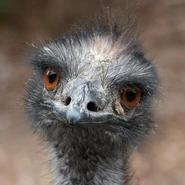
The emu eye is one of the most distinctive features of this fascinating flightless bird. Characterized by its impressive size and unique coloration, the emu's eyes play a crucial role in its ecological adaptability. These remarkable visual traits not only enhance the emu's survival in the varied Australian landscapes but also attract attention in the realms of nature and photography.
Emu eyes are approximately 22 mm in diameter, making them relatively large compared to most birds. This size supports their visual acuity, enabling clear sight even in diverse habitats. The unique coloration of emu eyes includes a striking red-brown halo, an orange rim, and a black sclera. These features not only contribute to their stunning appearance but also play a functional role in improving their vision.
Large eyes are critical for predator detection, allowing emus to spot threats from considerable distances. This adaptation is particularly beneficial in arid habitats, where visibility is often challenged by dusty conditions. The emu's remarkable ability to detect movement in the landscape aids in their survival against potential predators.
The emu's nictitating membrane, a transparent eyelid, plays a vital role in protecting their eyes from dust and debris. This feature ensures their vision remains clear, particularly in dry environments. The nictitating membrane helps maintain moisture in their eyes, essential for their high-speed running capabilities in the Australian outback.
During the mating season, subtle changes in the coloration of emu eyes can occur. This change indicates health and vitality to potential mates. The connection between the eye and the surrounding facial skin’s coloration is critical during these courtship displays, playing an essential role in attracting partners.
Emu eyes, with their distinct look, attract wildlife photographers, serving as a focal point in stunning imagery across various platforms.
Apart from their visual appeal, emu eyes are deeply embedded in cultural narratives, symbolizing watchfulness and perception in folklore.

Emus utilize their keen eyesight for intricate social interactions, including recognizing individuals and identifying threats within their territory. Their ability to perceive a broader spectrum of colors significantly aids in identifying mates and competing for resources effectively.
The emu's captivating eyes have garnered increasing interest among wildlife photographers. Their vivid colors and expressive nature make them a popular subject for capturing stunning images. Photographs often reveal the depth and beauty of the emu's gaze, attracting both amateur and professional photographers alike.
Readers can explore various platforms where remarkable images of emu eyes are available. Websites specializing in wildlife photography and stock image libraries offer a range of stunning images, allowing nature enthusiasts to appreciate the beauty of these birds.
Emu eyes hold cultural significance often highlighted in Australian Aboriginal folklore, symbolizing keen perception and vigilance. These narratives emphasize the importance of the bird's awareness, reflecting its role in cultural narratives, although specific legends can vary among different communities.
When compared with the eyes of other birds, emu eyes stand out due to their significant size and striking scleral coloration. The presence of specialized adaptations, such as the nictitating membrane, further distinguishes them from many avian relatives.
The emu eye is a large and distinct visual organ known for its size and unique coloration, evolving for optimal vision in varying habitats.
Emu eyes facilitate excellent vision with adaptations like a large size and nictitating membrane, crucial for predator detection and survival.
The structures of emu eyes, including protective membranes, ensure they are well-adapted for their natural environments, promoting reliability in vision.
Emu eyes contribute significantly to predator detection and survival, help in social interactions, and display vibrant colors that play roles in mating.
To observe emu eyes, visit natural habitats or wildlife sanctuaries where emus are present. Photography enthusiasts can also seek out these birds in various wildlife settings to capture their unique features.
In summary, the emu eye exemplifies remarkable characteristics that enhance its behavioral functions and adaptations, cementing its significance in both ecological and cultural discussions. Emphasizing their stunning appearances and functional roles, emu eyes inspire appreciation in nature and art alike, encouraging continued inquiry and observation.
Acknowledging the support of our sponsors who contribute to the awareness of emu eye research and photography.


Explore the sensory perceptions of emus and how their eyesight plays a critical role in their daily life.

Delve into the diverse environments emus call home and their unique adaptations for survival.
Recent findings highlight the expansive visual range of emus, shedding light on their evolutionary success.
Leading photographers share their secrets in capturing the vivid colors and expressions of emu eyes.
Collaborative efforts continue to preserve the natural landscapes crucial for the survival of emu populations.