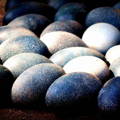
The emu color is a fascinating aspect of this iconic Australian bird, known for its unique plumage that varies between shades of brown and grey. As the largest bird native to Australia, the emu (Dromaius novaehollandiae) inhabits a wide range of environments, from arid deserts to humid forests. Its coloration is not merely aesthetic but is deeply influenced by its habitat, playing a crucial role in camouflage and thermoregulation. The interplay between environment and plumage makes emu color a compelling subject for both scientific and cultural exploration.
Emu Color Variations
Environmental Impact on Emu Color
The emu’s plumage varies significantly depending on its environment. In arid regions with red soils, emus often display a rufous or reddish tint, which provides natural camouflage against the landscape. Conversely, emus in damp or humid regions tend to have darker, more subdued plumage. This environmental adaptation helps the emu blend into its surroundings, reducing the risk of predation. The ability to adjust plumage color based on habitat is a testament to the emu’s adaptability and survival strategies.
Feather Characteristics
Emu feathers are shaggy and loose, giving the bird a distinctive, almost unkempt appearance. The feathers are typically grey-brown, with black shafts and tips. The inner plumage provides insulation, while the outer feathers help regulate body temperature by absorbing solar radiation. This dual function allows emus to remain active even in the heat of the day. The shaggy texture also contributes to the bird’s ability to withstand extreme temperatures and varying weather conditions.
Juvenile Emu Colors
Juvenile emus have a markedly different coloration from adults. At about three months old, their plumage is blackish and finely barred with brown, with the head and neck being especially dark. As they mature, their feathers gradually lighten, and the facial feathers thin out, exposing the bluish skin underneath. By around fifteen months, the adult plumage is fully developed, and the emu takes on its characteristic grey-brown hue.
Emu Colors Over Time
Seasonal Changes in Feather Color
Emus undergo a molting process, during which their feathers are replaced. This process can lead to subtle changes in color, especially as new feathers grow in. While emus do not exhibit dramatic seasonal color changes like some birds, their plumage can appear slightly different depending on the time of year and the condition of their feathers. The molting process ensures that the emu maintains healthy, functional plumage throughout its life.
Influence of Diet and Age
Diet and age can also influence the color and health of an emu’s feathers. A balanced diet rich in essential nutrients supports vibrant, healthy plumage. As emus age, their feathers may become duller or more worn, reflecting the natural aging process. Proper nutrition and care are crucial for maintaining the emu’s distinctive coloration and overall health.
Emu Color in Cultural Context
Symbolism of Emu Color
In various cultures, the emu’s color holds symbolic significance. The earthy tones of the emu’s plumage are often associated with resilience, adaptability, and connection to the land. In Aboriginal Australian art, the emu is frequently depicted in shades of brown and grey, reflecting its natural environment and cultural importance. The emu’s color is also a symbol of survival and endurance, qualities that are celebrated in many indigenous stories and traditions.
Emu Color in Branding and Design
The unique color palette of the emu has inspired designers and brands seeking to evoke a sense of natural beauty and ruggedness. Color palettes inspired by emu colors—ranging from warm browns to cool greys—are often used in branding, fashion, and interior design. These palettes are prized for their versatility and ability to create a calming, earthy atmosphere. The emu’s color is a popular choice for products and designs that aim to connect with nature and the Australian landscape.
Conclusion
The emu color is a remarkable example of how environment, genetics, and adaptation shape the appearance of a species. From the rufous hues of arid regions to the darker tones of humid forests, the emu’s plumage reflects its ability to thrive in diverse habitats. The shaggy, grey-brown feathers, the distinct coloration of juveniles, and the subtle changes over time all contribute to the emu’s unique identity. Whether in nature, culture, or design, the emu color continues to captivate and inspire, showcasing the beauty and adaptability of this iconic bird.