The Impact of Ancient Games on Modern Society
Explore how ancient board games continue to influence today's gaming culture and social interactions.
- Influence on Modern Games
- Cultural Legacy
- Social Dynamics
- Educational Tools
Uncover the ancient roots and historical journey of the Royal Game, captivating generations with its blend of strategy and chance.
The royal game has captivated players across centuries, bridging ancient civilizations and modern digital culture. From the earliest known board games to contemporary mobile and casino adaptations, the concept of the royal game continues to inspire fascination and competition. This post explores the historical roots, literary interpretations, and modern transformations of the royal game, highlighting its enduring legacy and evolving forms.
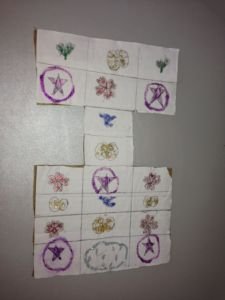
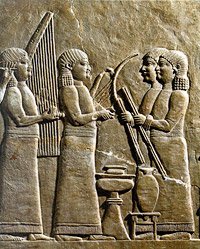
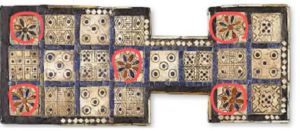
The Royal Game of Ur is one of the oldest known board games in human history, with archaeological evidence dating back to c. 2600–2400 BCE in ancient Mesopotamia (modern-day Iraq). The game was discovered in the Royal Cemetery at Ur by British archaeologist Sir Leonard Woolley between 1922 and 1934, which is how it acquired its modern name.
The game is a two-player race where players move pieces along a track of 20 squares, using tetrahedral dice to determine movement. It was played by all social classes, even having possible spiritual significance as some cultures believed it reflected divine messages.
The term "Royal Game" also appears in literature, most notably in Stefan Zweig’s novella The Royal Game, published in 1942. The story explores the psychological intensity of chess, using the game as a metaphor for the human mind under pressure.
Zweig portrays chess as a battle of wits, reflecting the broader struggle for autonomy and dignity, offering valuable insights into the human psyche.
The Royal Game of Ur is a milestone in the evolution of board games. Its influence can be traced through various ancient and modern games. Ancient games like Senet (Egypt) and Backgammon share similarities in mechanics with the Royal Game of Ur.
The game’s legacy is preserved in educational settings where it is used to teach history and critical thinking.
From mobile games to online casinos, the royal game finds new life in diverse digital formats.
Explore how ancient themes inspire contemporary gaming experiences, maintaining the intrigue of royal competitions.
Royal Match is a popular mobile puzzle game that has gained millions of players worldwide. While not directly based on the Royal Game of Ur, it draws on the theme of royal competition and strategy. Players match colored gems to complete levels and progress through a royal-themed world.
Its success reflects the enduring appeal of royal-themed games in the digital age.
The concept of the royal game has also found its way into online casinos and gaming platforms. Many sites offer royal-themed slot games, table games, and tournaments.
The integration of history and entertainment continues to appeal to diverse audiences.
The royal game has played a significant role in social interactions and cultural exchanges throughout history. Board games like the Royal Game of Ur were used to foster community and resolve disputes.
This illustrates how games influenced social dynamics and education across cultures.
There has been a resurgence of interest in traditional games in recent years, driven by a desire to reconnect with cultural heritage and explore the roots of modern entertainment.
The Royal Game symbolizes continuity in human recreational culture.
The royal game—whether in its ancient form as the Royal Game of Ur or in its modern adaptations—continues to captivate players with its blend of strategy, chance, and cultural significance. From the royal courts of Mesopotamia to the digital casinos of today, the royal game remains a powerful symbol of human creativity and competition. Its enduring appeal lies in its ability to bridge the past and present, offering timeless entertainment and insight into human experiences.
We collaborate with esteemed institutions to bring historical and cultural gaming knowledge to life.


Explore how ancient board games continue to influence today's gaming culture and social interactions.

Discover the resurgence of the Royal Game of Ur in schools and cultural events today.
Upcoming museum events will showcase ancient board games, highlighting their historical significance and modern exhibitions.
Classic board games find new life in digital formats, reaching wider audiences and promoting cultural history.
Schools and universities are offering workshops on the history of board games, emphasizing their educational and cultural value.