The Psychology Behind Slow Rolling
Delve into the psychological impact and reasons behind slow rolling in poker games.
- Understand player motives
- Learn to counteract tactics
- Improve mental resilience
- Spot slow rolling quickly
Slow rolling involves intentionally delaying the reveal of a winning poker hand as a strategy to create tension or false hope for opponents.
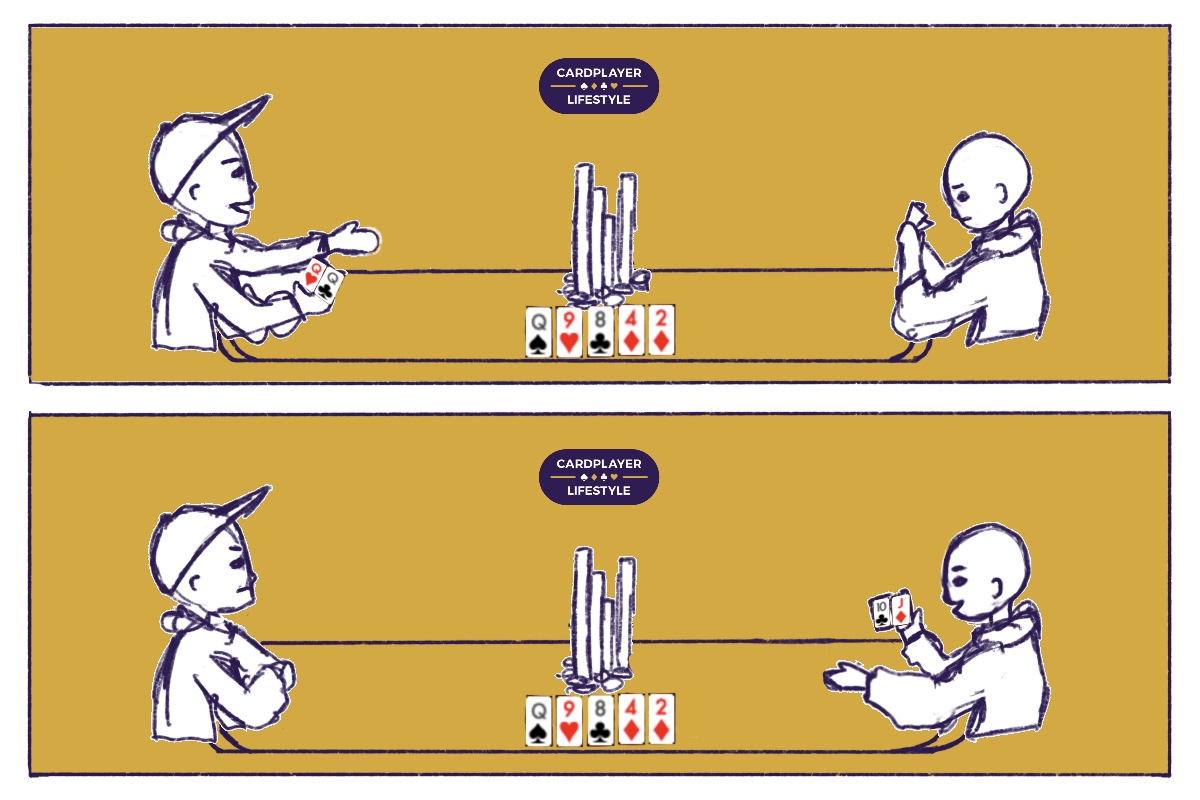
Slow rolling in poker refers to the act of deliberately delaying the reveal of a winning hand or making a decisive call while fully aware that the hand at stake is superior. This behavior creates a sense of false hope for opponents during crucial moments in the game.
Slow rolling occurs when a player with a winning hand intentionally takes extra time before revealing their cards or calling an all-in bet. The primary goal is to prolong suspense for the opponent and is often executed to enhance drama at the showdown.
Here are concrete examples illustrating the concept of slow rolling:
While slow rolling is generally not illegal within the rules of poker, it breaches the standard etiquette of the game. Engaging in such behavior can lead to penalties under unsportsmanlike conduct or pace-of-play rules in certain settings, particularly in tournaments.
Understanding slow rolling helps in recognizing it and maintaining good conduct at the poker table.
Respecting your opponents ensures a friendly and competitive gaming environment.

Slow rolling significantly disrupts the game flow and can significantly frustrate or tilt opponents. By creating false hope, slow rolling not only affects the emotional state of the players involved but also the overall dynamics of the game, potentially leading to poor decision-making in subsequent rounds.
A reputation for engaging in slow rolling can be damaging for players within the poker community. It is considered disrespectful behavior, leading to social ostracism among peers and a loss of camaraderie at the tables.
To maintain good sportsmanship, players are advised to promptly reveal their hands or muck them at showdown. This ensures swift resolution and respect for the game's pace and the emotional well-being of fellow players.
Players should be vigilant in recognizing slow rolling by observing unnecessary delays and prolonged showdowns, particularly when the outcome is already evident. Awareness of these behaviors can help mitigate emotional reactions and adjust gameplay strategies accordingly.
In summary, slow rolling in poker is the act of intentionally delaying the reveal of a winning hand or call that has a clear advantage. Although not illegal, it is frowned upon due to its negative implications on etiquette and the emotional dynamics of the game. Adhering to good poker etiquette enriches the gaming experience for all participants.
We are proudly sponsored by some of the leading operators in the poker industry.


Delve into the psychological impact and reasons behind slow rolling in poker games.
A comprehensive guide to mastering etiquette for an improved poker experience.