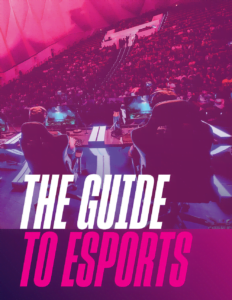
Esports, short for electronic sports, represents one of the most rapidly growing sectors in modern entertainment, combining competitive video gaming with organized tournament structures similar to traditional sports. This phenomenon has evolved from niche gaming communities into a billion-dollar global industry, captivating millions of fans and attracting major corporate sponsorships and investments. The rise of esports reflects humanity's enduring desire to compete and gamify experiences, now channeled through digital platforms that connect players and audiences worldwide.
Definition and Overview
Esports refers to organized competitive video gaming where individuals or teams compete against each other in tournaments and leagues for entertainment, prizes, and monetary rewards. Unlike casual gaming, which is played for personal enjoyment, esports encompasses structured competitions with formal rules, professional-level skill requirements, and spectator viewership. The activity is characterized by the central role of electronic systems and digital platforms, with competitions ranging from amateur to professional levels.
The distinction between esports and casual gaming lies in organization and professionalism. Esports incorporates several elements traditionally found in conventional sports: they are organized by rules, require significant skill, and maintain a broad following. Players in esports are often treated as professional athletes, building legitimate fan bases through streaming services like Twitch and YouTube, effectively becoming celebrities within their communities.
Historical Background
The history of esports stretches back much further than many realize, with roots deeply connected to the earliest days of video game development.
The Earliest Foundations
The origins of competitive gaming can be traced to the early 1970s. In 1972, the first recorded esports tournament—the Intergalactic Spacewar Olympics—was held at Stanford University's Artificial Intelligence Laboratory, featuring the multiplayer computer game Spacewar!. This groundbreaking event, sponsored by Rolling Stone magazine, saw contestants competing for the prize of a year-long subscription to the magazine. The game Spacewar! itself, developed in the early 1960s on the PDP-1 computer at MIT, represented the first multiplayer computer game and served as a precursor to modern competitive gaming.
Mainstream Growth in the 1980s and 1990s
The competitive gaming landscape expanded significantly in 1980 with the Space Invaders Championship hosted by Atari, which drew over 10,000 participants across the United States—the first nationwide video game competition. This event proved that competitive gaming could attract massive numbers of players and spectators. A year later, in 1981, the inaugural Donkey Kong tournament further demonstrated the growing appetite for video game competition.
Throughout the 1990s, esports began taking more concrete form as an organized competitive domain. Major tournaments for games like Mortal Kombat and GoldenEye helped establish competitive gaming communities during this era. However, the most significant transition occurred in the late 1990s when the Cyberathlete Professional League was established in 1997, marking a turning point where tournaments became much larger and corporate sponsorship became standard practice.
The Modern Era
The 2000s witnessed esports becoming a truly global phenomenon. Major League Gaming (MLG), founded in 2002, played a crucial role in popularizing esports throughout North America by organizing professional competitions across multiple video games. The new millennium also saw the emergence of the World Cyber Games and the Electronic Sports World Cup, further solidifying esports as an international competitive arena.
A watershed moment came with the release of League of Legends in 2009 by Riot Games. This game revolutionized the MOBA (Multiplayer Online Battle Arena) genre and inspired the formation of numerous professional leagues worldwide. By 2010, games including League of Legends, Dota 2, and Overwatch propelled esports into mainstream consciousness, offering complex strategies, exciting gameplay, and enormous fan followings that resulted in large-scale international competitions.
Types of Esports Games
Esports encompasses various game genres, each with distinct gameplay styles and competitive requirements:
- Multiplayer Online Battle Arena (MOBA): Games in this category focus on team-based strategic gameplay in dynamic digital battlefields. League of Legends stands as the most prominent example, with its annual World Championship becoming one of the most-watched events in esports history.
- First-Person Shooters (FPS): Games emphasizing individual skill, reflexes, and tactical team coordination. Counter-Strike achieved massive popularity in the United States, drawing thousands of players and spectators, with professional teams forming and substantial cash prizes becoming standard.
- Real-Time Strategy (RTS): Games requiring complex decision-making and strategic planning. StarCraft became particularly dominant in South Korea, establishing that nation as the "laboratory of esports" and creating a thriving professional competitive scene.
- Classic Arcade Games: Historical titles that established competitive gaming's foundations, including Space Invaders, Donkey Kong, and Pac-Man, continue to hold significance in esports history.
The Structure of Esports Competitions
Organizational Framework
Modern esports competitions operate through formalized structures mirroring traditional sports organizations. Competitions take the form of organized, multiplayer video game tournaments and leagues where players compete either individually or as part of teams. The structure typically includes regional competitions, national tournaments, and international championships, with varying levels of organization depending on the game and sponsoring organization.
Professional esports leagues function similarly to traditional sports leagues, with teams competing throughout the seasons for points, standings, and playoff positions. These organized structures provide clarity and consistency for both competitors and audiences, establishing clear pathways for players to advance through competitive ranks.
Professionalism in Esports
Esports has developed a robust professional ecosystem comparable to traditional athletics. Professional gamers represent the highest tier of competitive players, dedicating themselves full-time to training, competing, and improving their skills. These athletes have become recognized celebrities with legitimate fan bases built through streaming platforms and public competitions.
Professional esports organizations now employ coaches, analysts, managers, and support staff similar to traditional sports teams. Players often receive salaries from their organizations, participate in team-based training regimens, and compete in sponsored tournaments offering significant prize pools. Sponsorship has become integral to esports sustainability, with major corporations investing in teams, tournaments, and players to reach the engaged esports audience. This professionalization has transformed esports from a hobbyist activity into a legitimate career path for talented players.
Audience Engagement and Viewership
Streaming and Broadcasting
Esports viewership has reached unprecedented scales through digital streaming platforms. Services like Twitch and YouTube have become primary venues where professional gamers build audiences and broadcast their gameplay to millions of viewers worldwide. These platforms enable real-time interaction between players and fans, creating engaged communities around specific games and personalities.
Major esports events receive broadcast coverage from mainstream media outlets, with tournaments attracting millions of concurrent viewers. The accessibility of streaming technology has democratized esports viewing, allowing fans globally to watch competitions regardless of geographic location or time zone, fundamentally expanding the potential audience beyond what traditional broadcast television could achieve.
Community and Fan Base
Esports communities are remarkably diverse and passionate, with dedicated fan bases surrounding individual games, teams, and players. The demographics of esports viewers span wide age ranges, though younger audiences have traditionally comprised larger proportions of the viewership. However, as esports has matured, viewership has broadened across demographic categories.
Communities form around shared interests in specific games or teams, with fans engaging through social media, fan forums, Discord servers, and live events. These communities extend beyond passive viewership, with fans actively participating in discussions, creating content, and organizing grassroots events. The parasocial relationships between fans and professional players have created genuine celebrity status for top competitors, with fans attending live tournaments and supporting their preferred teams with the fervor traditionally reserved for conventional sports fans.
Economic Impact of Esports
Monetization Strategies
The esports industry has developed multiple revenue streams that support its continued growth and professionalization. Prize pools from tournaments represent significant monetary incentives for players and teams, with major championships offering multi-million dollar prizes that rival traditional sporting events. Organizations generate revenue through ticket sales from live events, sponsorship agreements with corporate partners seeking exposure to esports audiences, and broadcasting rights sold to media companies and streaming platforms.
Team organizations monetize through player contracts, merchandise sales, media appearances, and partnership agreements. Individual players earn income through tournament winnings, team salaries, streaming revenue through platforms offering revenue-sharing arrangements, and personal sponsorships. The industry has also developed around ancillary services, including coaching, training facilities, equipment manufacturing, and esports betting platforms, creating employment across multiple sectors.
Growth and Industry Valuation
The esports industry has achieved valuation in the billions of dollars, establishing itself as a substantial economic force within the entertainment and technology sectors. This extraordinary growth reflects increasing mainstream acceptance, corporate investment, and audience expansion. Major international events like the Esports World Cup demonstrate the scale that esports competitions have achieved.
Recognition from traditional sports governance bodies has further legitimized esports. In 2019, the Southeast Asian Games included six medal events for esports, marking official recognition by established sporting authorities. Additionally, the International Olympic Committee (IOC) has engaged directly with esports organizations to understand the industry's trajectory and potential future collaboration, signaling that traditional sports institutions are considering esports' place within global competitive sporting frameworks.
Conclusion
Esports represents a fundamental evolution in how competitive gaming has transformed from arcade tournaments in the 1980s into a globally recognized industry commanding billions in investment and viewership. Defined as organized competitive video gaming with formal structures, professional athletes, and substantial audiences, esports has legitimized itself through consistent growth, corporate partnership, and increasing mainstream recognition. The historical arc from the Intergalactic Spacewar Olympics in 1972 through League of Legends' dominance today demonstrates how digital competition has captured the human impulse to compete and be entertained.
In today's digital landscape, esports occupies a unique position bridging gaming culture, professional athletics, entertainment media, and technology innovation. With streaming platforms enabling global participation and viewership, professional structures supporting player careers, and industry mechanisms generating substantial economic activity, esports has transcended its origins as niche gaming enthusiasm to become a significant cultural and economic phenomenon that will likely continue reshaping entertainment and competition in the decades ahead.