Gambling Memes
2025-11-27
Exploring the World of Gambling Memes
Gambling memes serve as both entertainment and a reflection of the gambler's journey, from anticipation to loss, often using humor as a coping mechanism.
Community bonding through humorExploration of gambler's psycheReflection of real-world gambling experiencesEntertainment and social commentaryInsight into the psychological traps of gambling
Gambling memes are humorous depictions that resonate deeply with the experiences of gamblers, from the anticipation of winning to the inevitable disappointment of losses. These internet artifacts have become a significant part of popular culture and online gambling communities, offering a way for people to laugh at the shared absurdities and contradictions inherent in gambling behavior.
Understanding Gambling Memes
What Are Gambling Memes?
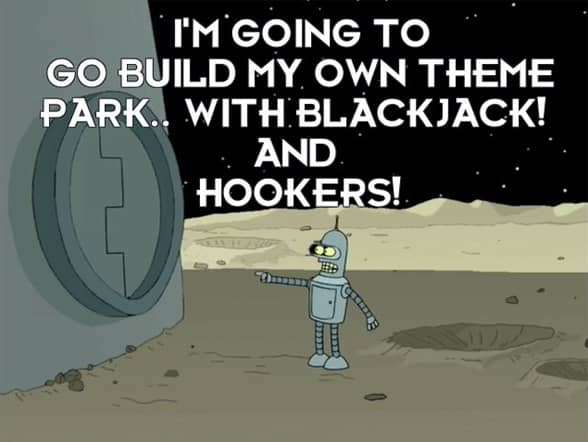
Gambling memes are comedic images, phrases, and scenarios drawn from popular culture that highlight the psychology and realities of gambling. They typically feature characters or quotes from movies, TV shows, and other media, repurposed to comment on gambler behavior, the false confidence that accompanies casino visits, and the bittersweet outcomes of wagering. These memes range from subtle dark humor to obvious comedic exaggeration, creating content that gamblers immediately recognize and understand.
Common Themes in Gambling Memes
The most prevalent themes include overconfidence and self-deception, financial disappointment, addiction and compulsion, and the contradiction between expectations and reality. One classic theme is the false sense of control—the belief that skill can overcome chance in games of pure luck. Another recurring pattern depicts the emotional journey from hopeful entry into a casino to deflated exit, capturing the moment when funds disappear. Memes also frequently explore the gambler's rationalization, where losing is reframed as entertainment rather than financial loss, and the compulsive “just one more” mentality that keeps people gambling despite mounting losses.
Why Gambling Memes Matter
Humor serves as a coping mechanism and a form of community bonding within gambling culture. Memes acknowledge the psychological traps and emotional rollercoasters that accompany gambling without requiring serious judgment or intervention. They validate the shared experiences of millions of online and offline gamblers, creating a sense of belonging through mutual recognition of gambling's psychological complexities.
Popular Gambling Memes
Classic Movie and TV-Derived Memes
Some of the most enduring gambling memes originate from well-known films and television shows. "It's Not Gambling When You Know You're Gonna Win" comes from The Hangover, where character Alan Garner responds to friends warning him against gambling by confidently declaring that losing isn't possible because he knows he'll win. This meme perfectly encapsulates the irrational optimism many gamblers experience before entering a casino.
Another iconic meme features Lloyd Christmas and Harry Dunne from Dumb & Dumber, showing the pair cheerfully heading to a casino on the top panel and returning devastated on the bottom, illustrating the stark contrast between expectation and outcome.
Michael Jordan has become the subject of gambling memes due to his well-documented casino visits and substantial spending habits. His casual description of gambling as merely "a hobby" paired with his natural charisma created one of the best-known gambling memes, often used to represent excessive betting behavior rationalized as casual entertainment.
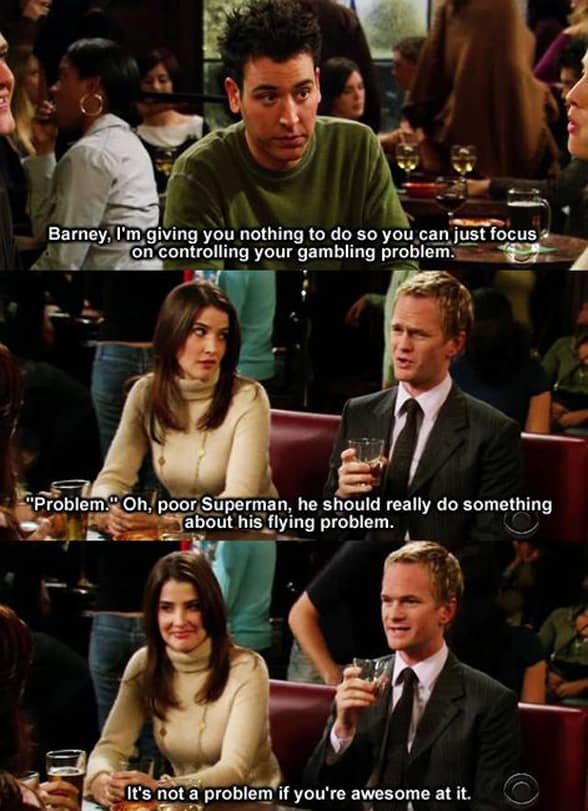
Barney Stinson from How I Met Your Mother is featured in the meme "It Isn't a Problem if You're Awesome at It," where he responds to concerns about his wagering problems by suggesting that if you're skilled at something, it's not problematic. This meme resonates with gamblers who believe their abilities set them apart from typical problem gamblers.
Relatable Scenario Memes
The "Aaaand it's gone!" meme from South Park's Margaritaville episode depicts a bank manager transferring funds away, representing the moment when a gambler's account balance suddenly disappears. This meme applies to gambling specifically but also works for any financial loss, making it universally relatable.
"Oh, I Am Sorry. That Last Hand Nearly Killed Me" originates from a James Bond film scene where Bond, poisoned and disoriented, sits at a card table and makes this quip to the dealer. This sophisticated yet darkly humorous line has become a staple for expressing the intensity and danger of high-stakes gambling.
The "I Don't Go Gambling; I Go Winning" meme features a well-dressed man in a suit expressing the confident mindset that every casino visitor adopts upon entering—the absolute certainty that they will leave as a winner. This represents the psychological state of denial that precedes losses.
Internet-Native Memes
The Moray eel joke meme adapted for gambling asks "Why is there no gambling in Africa?" with the punchline being "too many cheetahs"—a cringeworthy pun that gambles with humor rather than money.
The "Living Dangerously" meme references Austin Powers and depicts bringing a debit card to a casino as a reckless act, highlighting the financial risk of unlimited access to funds during gambling sessions.
The Impact of Gambling Memes on Culture
Bonding Through Laughter
Gambling memes foster community among gamblers by providing shared language and mutual recognition. When someone posts or shares a gambling meme, they're participating in a collective acknowledgment of gambling's psychological peculiarities. This creates solidarity—gamblers feel less alone in their contradictions and impulses. Online communities built around these memes allow people from different geographic locations and backgrounds to connect through humor about their shared experiences.
Potential Drawbacks of Gambling Memes
While humor can be therapeutic, gambling memes may also normalize problematic behavior and mask serious addiction issues. Memes that celebrate losing, rationalize excessive spending, or joke about compulsive gambling could potentially reinforce harmful patterns rather than encourage reflection. The ironic tone of many gambling memes—where the humor derives from obviously destructive behavior—might desensitize viewers to genuine warning signs of gambling addiction. Additionally, casual normalization of problem gambling through memes could discourage people from seeking help, as their behavior becomes viewed as relatable comedy rather than a serious concern requiring intervention.
Conclusion
Gambling memes occupy a unique space in internet culture and the gambling community, serving simultaneously as entertainment, coping mechanism, and social commentary. They distill the psychological contradictions of gambling into easily shareable formats that millions recognize and relate to. From confident declarations of inevitable victory to depictions of sudden financial loss, these memes capture the emotional landscape of gambling with wit and accuracy. However, their prevalence and normalization warrant careful consideration regarding how humor influences attitudes toward gambling behavior and problem gambling awareness. Whether viewed as harmless fun or a potential contributor to gambling culture's problematic aspects, gambling memes undeniably remain a significant and evolving part of both internet culture and the gambling community.