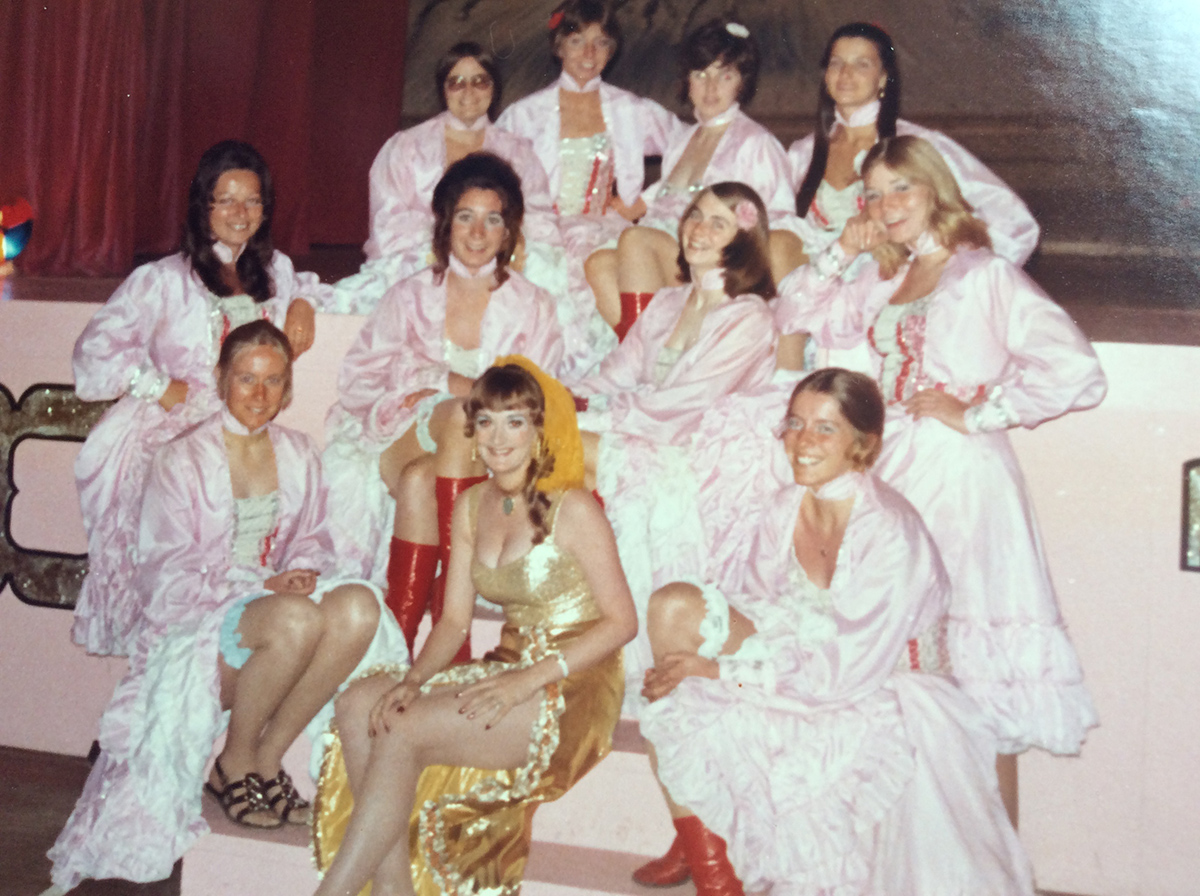
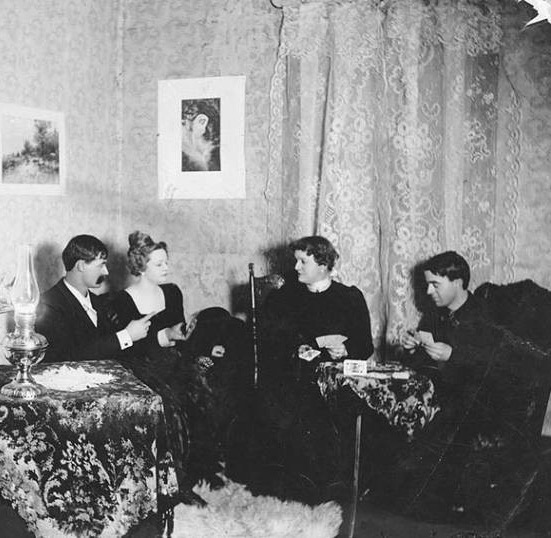
Diamond Tooth Gertie's Gambling Hall, which opened in 1971 in Dawson City, Yukon, holds the distinction of being Canada's oldest and first operating casino. This establishment marked a pivotal moment in Canadian gambling history, transforming how the nation approached legalized gaming. Rather than being a commercial venture driven by profit maximization, Canada's first casino emerged as a unique community-focused initiative designed to promote tourism and preserve the cultural heritage of the Klondike Gold Rush era.
The Emergence of the First Casino in Canada
The Story of Diamond Tooth Gertie's Gambling Hall
Diamond Tooth Gertie's Gambling Hall opened in 1971 as part of a tourism initiative by the Klondike Visitors Association, aimed at drawing visitors to the Klondike region. The organization previously hosted events such as 'Klondike Nights' featuring music, dancing, and games aboard the SS Keno, making the establishment of a formal casino a natural progression.
On July 2, 1971, the City of Dawson leased its historic building to the Klondike Visitors Association, and Diamond Tooth Gertie's officially opened that summer. The venue occupies a structure constructed in 1901 by the Arctic Brotherhood, which served various community purposes before becoming the iconic gambling hall.
This establishment took its name from Gertie Lovejoy, a famous Gold Rush-era dancehall star known for wearing a diamond between her two front teeth. The venue maintains an 1898 saloon theme that authentically reflects the period when the Gold Rush flourished.
Transition to Legal Casinos
Prior to the 1970s, gambling in Canada was largely informal and often illegal, typically encountered in private venues and saloons. The opening of Diamond Tooth Gertie’s was made possible thanks to a special gambling license granted by the Canadian government, which marked a shift towards the legal recognition of gambling establishments in Canada.
This transformative moment set the groundwork for broader provincial regulations surrounding legal gambling practices, changing how citizens engaged with gaming in public venues.
The First Commercial Casino: Winnipeg's Landmark
The first commercial land-based casino in Canada, Winnipeg Casino, opened in 1989. This marked a new era in Canadian gambling with large-scale, profit-driven establishments that offered an extensive range of gaming options and entertainment.
The Winnipeg Casino’s success paved the way for further commercial casino development across the country, transforming gambling into a widely accepted form of entertainment.
Different Types of Casinos in Canada
Casinos vs. Gambling Halls: What Sets Them Apart?
Casinos differ from traditional gambling halls in both scale and gaming variety. These modern establishments usually offer a full array of gaming options, ranging from slot machines to table games, under strict regulatory oversight part of provincial gaming authorities.
Conversely, gambling halls, such as Diamond Tooth Gertie's, often focus on specific experiences and themes, operating as community-oriented ventures with less regulatory complexity.
The Role of Government in Casino Development
Government regulations have played a crucial role in shaping the casino industry in Canada. Provincial bodies oversee licensing, taxation, and operational guidelines, ensuring that gambling activities proceed fairly and responsibly.
The rise of online gambling in the 21st century has further expanded the industry, resulting in government-regulated online casinos that provide an extensive range of gaming options to Canadian players.
Modern Casino Landscape in Canada
Expansion and Modernization
Since the inception of Diamond Tooth Gertie's, the Canadian casino industry has witnessed significant expansion. The establishment of casinos has proliferated across major cities and regional centers, with venues offering comprehensive entertainment experiences.
Today’s casinos are more than just places to gamble; they feature sophisticated technologies, luxury amenities, and multiple entertainment options, such as concerts and interactive events, reflecting changing consumer preferences and regulatory standards.
Popular Casinos and Their Features
Noteworthy Canadian casinos include Casino de Montréal, Niagara Fallsview Casino, and River Rock Casino Resort. These establishments distinguish themselves by offering an array of gaming choices, hospitality services, and entertainment experiences far beyond traditional gambling halls.
Many casinos host concerts, comedy shows, and social events, making them attractive destinations for both locals and tourists, thus enhancing the overall gaming experience.
Conclusion
Diamond Tooth Gertie's Gambling Hall represents a distinctive chapter in Canadian casino history. As the nation's first and oldest casino, it demonstrated that legalized gambling could serve community interests while providing entertainment and tourism revenue. Its non-profit model and heritage preservation mission set it apart from commercial casinos that followed. More than five decades after its opening in 1971, Diamond Tooth Gertie's continues to operate as a living museum of the Klondike Gold Rush era, maintaining its commitment to both authentic entertainment and community reinvestment, exemplifying how Canada’s first casino has become not just a gambling destination but a cultural institution.