Antique slot machines stand as iconic symbols in the history of gaming, representing the dawn of mechanical gambling entertainment. These early devices, with their distinctive spinning reels and lever operation, laid the foundation for the modern casino experience. The invention of the first mechanical slot machine not only revolutionized how people engaged with games of chance but also marked the beginning of a global industry that continues to thrive today. From saloons to casinos, antique slot machines have played a pivotal role in shaping the evolution of gambling, blending innovation with nostalgia.
Introduction
Antique slot machines hold a special place in the history of gaming, representing the ingenuity and creativity of early inventors like Charles Fey. Their mechanical design, historical impact, and cultural significance make them valuable artifacts worth preserving for future generations. By understanding and appreciating the legacy of these machines, we honor the pioneers who shaped the modern gaming industry and ensure that their contributions are not forgotten.
The History of Antique Slot Machines
Origins and Development
The story of antique slot machines begins with Charles Fey, a San Francisco mechanic who, in 1894, created the "Liberty Bell"—the first true mechanical slot machine. Fey’s invention featured three spinning reels adorned with symbols such as diamonds, hearts, spades, horseshoes, stars, and a cracked Liberty Bell. Players inserted a nickel, pulled a lever, and hoped for a winning combination, with three Liberty Bells yielding the highest payout of fifty cents. The Liberty Bell’s success was immediate, and its design became the blueprint for future slot machines. Fey’s workshop at 406 Market Street in San Francisco became the birthplace of the slot machine industry, and despite the destruction of his workshop in the 1906 earthquake, the legacy of the Liberty Bell endures.
Iconic Models
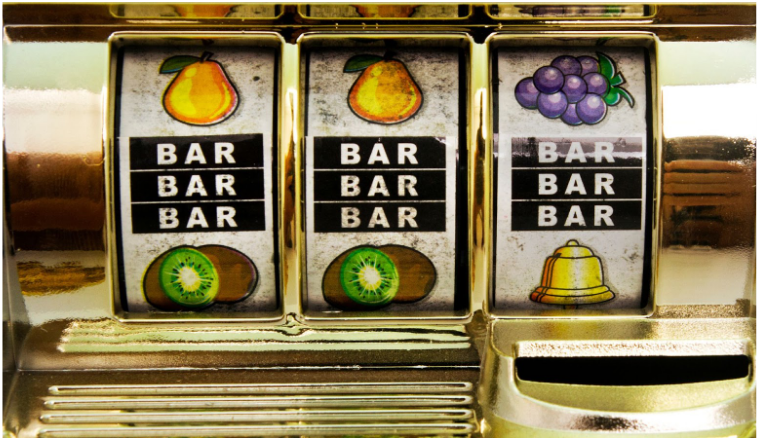
Following Fey’s groundbreaking invention, other manufacturers began producing their own versions of slot machines. The Mills Novelty Company, based in Chicago, became one of the most prominent producers, introducing models like the "Operator Bell" and later incorporating fruit symbols, which gave rise to the term "fruit machine." Other notable manufacturers included Jennings and Watling, each contributing unique designs and innovations to the market. These companies helped popularize slot machines across the United States and beyond, making them a staple of entertainment venues.
Historical Impact
Antique slot machines transformed gambling entertainment by making it accessible and automated. Prior to their invention, gambling was often conducted through manual games or required human dealers. The introduction of mechanical slot machines allowed for self-service gambling, increasing both convenience and profitability for operators. The popularity of these machines led to their widespread adoption in saloons, arcades, and eventually casinos, fundamentally altering the landscape of gambling and paving the way for the modern gaming industry.
Mechanics Behind Antique Slot Machines
How They Operate
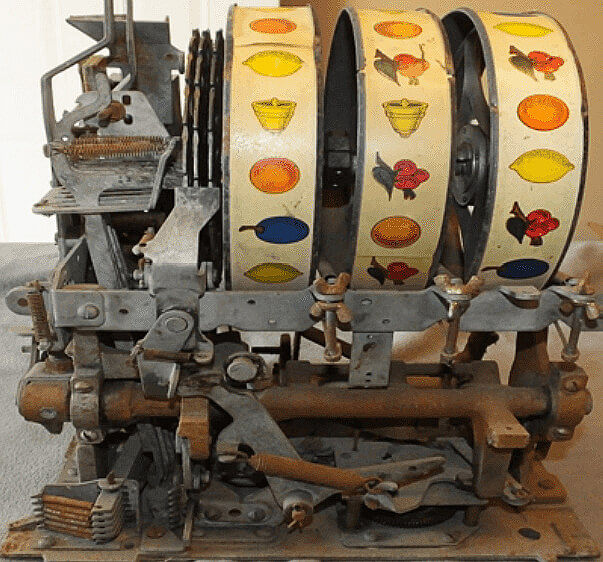
Antique slot machines operate on a simple yet ingenious mechanical principle. When a player inserts a coin and pulls the lever, it sets the reels in motion. The reels, each imprinted with various symbols, spin independently and eventually come to a stop, displaying a random combination of symbols. If the symbols align in a winning combination, the machine dispenses coins as a payout. The randomness of the outcome is determined by the mechanical design of the reels and the internal mechanisms, which were based on the principle of random number generation.
Restoration Techniques
Restoring antique slot machines requires a blend of mechanical skill and historical knowledge. Common restoration practices include cleaning and lubricating the internal mechanisms, replacing worn parts, and ensuring the integrity of the coin acceptor and payout system. Many restorers also focus on preserving the original appearance of the machine, carefully repairing or replicating the wooden cabinet, glass panels, and decorative elements. Proper restoration not only maintains the functionality of the machine but also preserves its historical value.
Collecting Antique Slot Machines
Value and Investment
The market value of antique slot machines varies widely depending on factors such as rarity, condition, historical significance, and provenance. Machines like the original Liberty Bell or rare models from Mills, Jennings, and Watling can command high prices at auctions and among collectors. The value is also influenced by the completeness of the machine, the authenticity of its parts, and its overall state of preservation. For collectors, antique slot machines represent both a financial investment and a tangible connection to gaming history.
Famous Collectors and Dealers
Notable collectors and dealers in the antique slot machine market include individuals and organizations dedicated to preserving the legacy of these machines. Museums, historical societies, and private collectors often showcase antique slot machines, highlighting their cultural and historical importance. Dealers specializing in vintage gaming equipment play a crucial role in the market, providing expertise and facilitating the exchange of rare and valuable machines.
Cultural Significance of Antique Slot Machines
Representations in Media
Antique slot machines have been featured in numerous movies, television shows, and works of literature, often symbolizing the allure and excitement of gambling. From classic films set in the early 20th century to contemporary stories that evoke nostalgia, these machines continue to captivate audiences and serve as a visual shorthand for the world of gaming.
Nostalgia and Collectibility
For many collectors and enthusiasts, antique slot machines evoke a sense of nostalgia and connection to the past. The tactile experience of pulling the lever and watching the reels spin offers a unique form of entertainment that cannot be replicated by modern digital devices. The emotional and nostalgic connections among collectors and enthusiasts contribute to the enduring appeal of antique slot machines.
Conclusion
Antique slot machines hold a special place in the history of gaming, representing the ingenuity and creativity of early inventors like Charles Fey. Their mechanical design, historical impact, and cultural significance make them valuable artifacts worth preserving for future generations. By understanding and appreciating the legacy of these machines, we honor the pioneers who shaped the modern gaming industry and ensure that their contributions are not forgotten.